



 Free Banjara Matrimony


Nobody Actually Explains the Whole Process to You
Most people go through their first serious matrimony search with a strange gap in their knowledge: they know the wedding rituals inside out, because they've attended dozens of family weddings, but nobody ever sat them down and explained the actual process that happens before the wedding — how a biodata gets built, how families evaluate a match, what a "good" first meeting actually looks like, and how you get from a stranger's profile to a Baraat. You're expected to just absorb it by osmosis, usually while under real time pressure and family expectation.
This is the guide that osmosis usually skips. Start to finish, here's what the modern Banjara matrimony process actually looks like — biodata to baraat — with the parts nobody explains clearly written out plainly.
Step One: The Biodata
Before anyone searches for a match, most families put together a biodata — a structured summary of the candidate covering basics (age, height, education, profession), family background, gotra and sub-community, and often horoscope details. This isn't optional flourish; it's the document families actually use to make first-pass decisions, often before the candidate is even aware a particular family is considering them.
A rushed, sparse, or poorly organized biodata gets fewer serious responses — not because people are shallow, but because a thin biodata reads as either disorganized or like something's being hidden. Our free biodata builder exists specifically to make this step painless, with templates that cover what families actually look for, gotra field included, so you're not guessing what to include.
Step Two: The Search
Historically, this step happened entirely through family and tanda networks — relatives fielding suggestions, community elders vouching for candidates they knew. Today it usually runs in parallel with, or instead of, that network: platforms like BanjaraMatch let you search directly by gotra, sub-community, city, education, and profession, seeing verified profiles rather than waiting for a relative's recollection of "someone's daughter who might be a good fit."
The two channels aren't mutually exclusive — many families run both simultaneously, using the platform to widen the search beyond who happens to be in their existing network, while still leaning on relatives for informal verification of anyone who looks promising.
Step Three: Gotra Confirmation, Immediately
Before any real conversation begins, gotra compatibility gets checked. This isn't a step you can skip or defer — same-gotra matches are considered forbidden across virtually all Banjara sub-communities, and both families will confirm this early, sometimes before even exchanging phone numbers. If you're not confident about your own gotra or how it maps to potential matches, our gotra reference guide is worth reading before you start seriously searching, not after a promising conversation stalls over it.
Step Four: Getting to Know Each Other
Once gotra and basic compatibility are confirmed, the actual getting-to-know-each-other phase begins — increasingly over chat and video call before any in-person meeting, especially for matches found through a platform rather than an existing family connection. This phase can last anywhere from a few weeks to several months, and it's where you should be asking real questions, not just exchanging pleasantries — how someone talks about their family, what they expect from married life, how they handle disagreement, are all worth surfacing here rather than assuming a family-arranged introduction means these questions are unnecessary.
Step Five: The Family Meeting
At some point, families formally meet — sometimes after the couple has already built real rapport over calls, sometimes as the actual first meeting if the match came through a more traditional family-network introduction. This meeting typically involves both sets of parents and close relatives, tea, a fair amount of polite small talk, and an underlying evaluation happening on both sides regardless of how casual it's framed. Pay attention here, not just to what's said, but how people behave toward each other — it tends to reveal more than the rehearsed conversation topics.
Step Six: Sagai (Engagement)
Once both families agree, the engagement formalizes the match — rings are exchanged, gifts are often given, and in many families this is when the wedding date gets fixed, sometimes after consulting an elder for an auspicious day. From this point on, the relationship shifts from "being considered" to "being planned for," and family involvement in day-to-day decisions typically increases.
Step Seven: The Engagement-to-Wedding Gap
Depending on circumstances — finishing education, work commitments, wedding planning logistics — there's often a real gap between engagement and wedding, sometimes many months. This is a crucial, underrated phase: it's your real opportunity to build the relationship properly before the wedding formalizes everything, and it's worth using deliberately rather than just waiting for the date to arrive.
Step Eight: The Wedding Itself
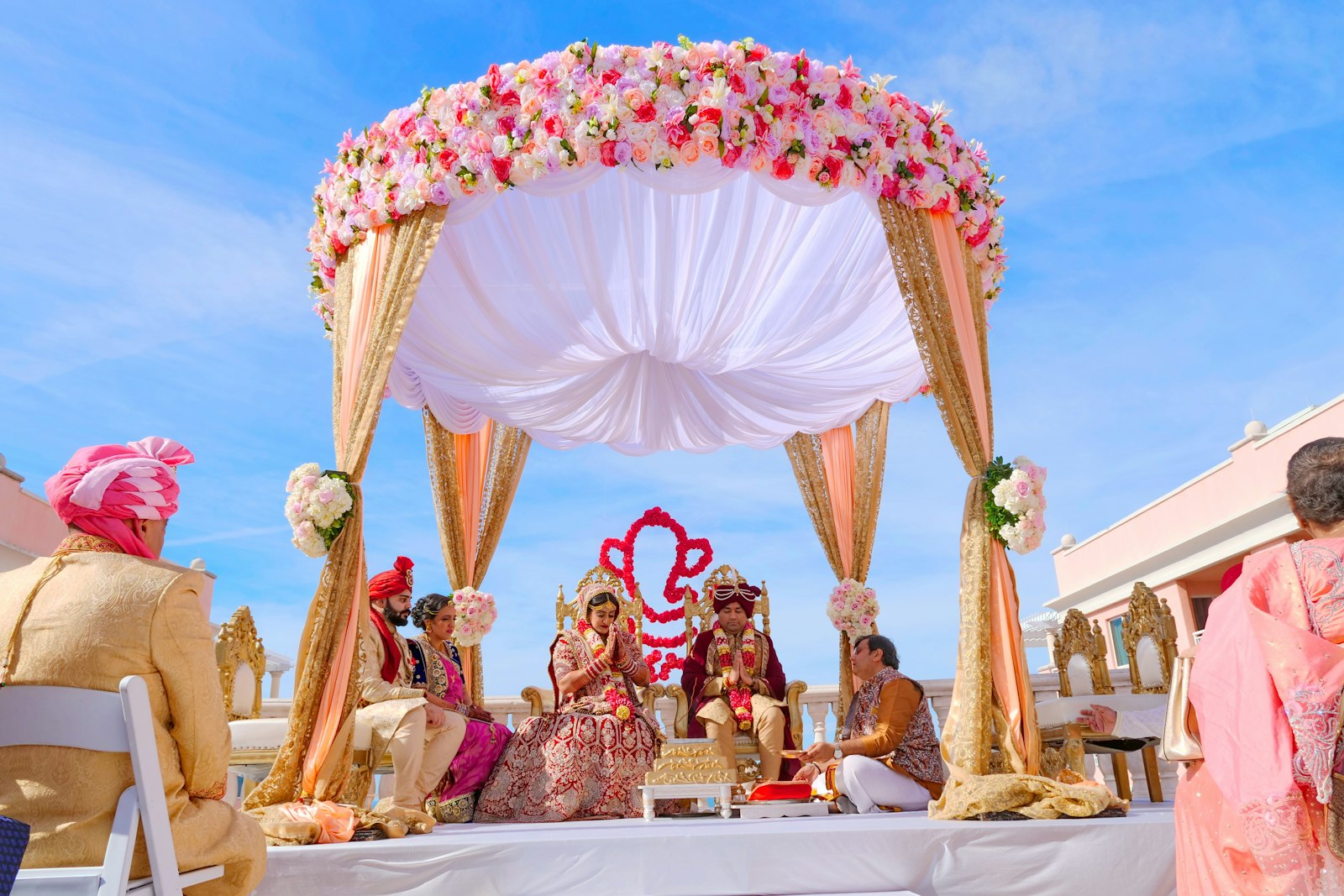
A full Banjara wedding is less a single event than a sequence — Haldi, Mehndi, the Baraat, the core wedding rites (Kanyadaan, Panigrahan, Pheras), Sindoor and Mangalsutra, and post-wedding rituals like Vidaai and Griha Pravesh, often spread across several days. It's the most rigorously documented part of the whole process (everyone knows what a wedding involves) even though it's the shortest phase relative to everything that led up to it.
Timeline: What to Realistically Expect
One of the most common questions first-timers ask is simply "how long does this take?" There's no fixed answer, but a rough shape holds for most families:
- Biodata and initial search: A few weeks to get a well-built biodata together and start actively browsing or receiving suggestions — rushing this step tends to cost more time later than it saves now.
- Shortlisting and gotra confirmation: Days per profile once you're actively searching — this should be quick, not a bottleneck, if gotra and basic details are clearly listed upfront.
- Getting to know each other: Anywhere from a few weeks to several months, depending on how quickly both people (and families) feel confident. There's no "correct" speed here — rushing this to satisfy a deadline is a common regret people report later.
- Family meeting to engagement: Often a few weeks, once both people are aligned and have signaled that to their families.
- Engagement to wedding: Highly variable — anywhere from a couple of months to over a year, depending on education, career timing, and planning logistics.
Add it up, and a first-time search — from deciding to seriously look, to an actual wedding date — commonly spans anywhere from six months to two years. Anyone telling you it should take exactly X weeks is not accounting for how differently every family's situation actually unfolds.
What People Get Wrong About This Process
The most common mistake first-timers make is treating each step as fully separate — rushing the biodata because "we'll figure out details later," or skipping real getting-to-know-each-other conversations because the families already approved the match. Every step feeds the next one. A weak biodata gets fewer good matches to even consider. A skipped gotra check can derail things after real feelings are involved. A rushed getting-to-know-each-other phase means the family meeting and engagement are built on less real understanding than they should be.
The process, done properly, is not actually that long or complicated — it just requires treating each step as worth doing well, rather than as a formality to get through on the way to the wedding everyone's actually excited about.
Starting Your Own Process
Whichever step you're at, BanjaraMatch is built to support the whole sequence — a free biodata builder to get step one right, gotra-aware search for step three, verified profiles and in-app chat for step four, and a platform that's genuinely free through every stage, not just the free trial before a paywall. If you're just getting started, create your free profile today, and take the rest of the process one real step at a time.