
 Free Banjara Matrimony


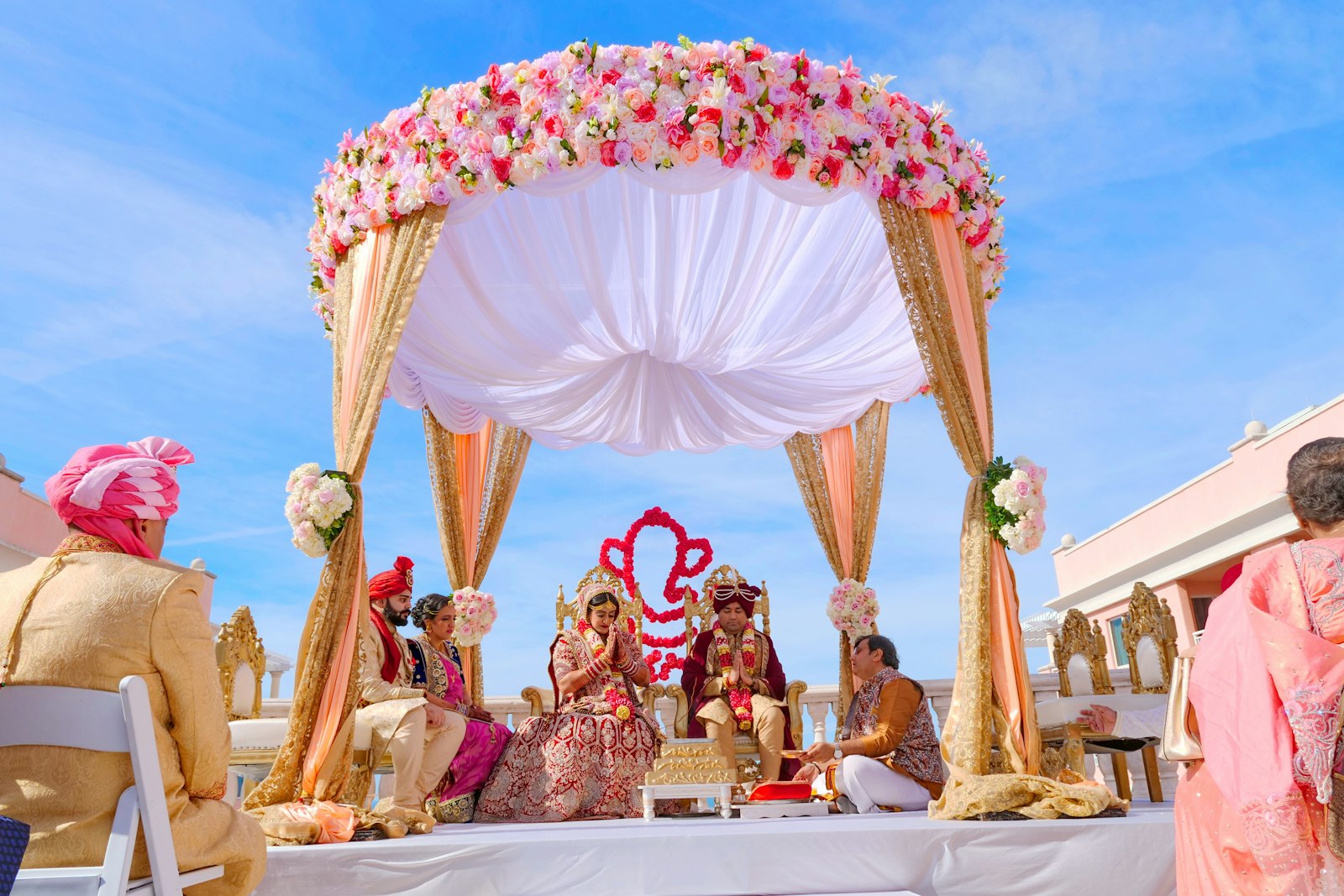
The Décor Isn't Just Decoration
Walk into a traditionally styled Banjara wedding and the first thing that hits you isn't the food or the music — it's the color and the shine. Deep reds, mustard yellows, mirror-work catching the light from every angle, embroidery dense enough that you could study a single dupatta for ten minutes and still find new detail. None of it is random. Banjara wedding décor, at its traditional core, carries meaning built up over generations, even if a lot of modern weddings now blend it with contemporary banquet-hall styling.
Understanding what the traditional elements actually represent makes planning a wedding — or even just appreciating one you're attending — a lot more interesting than treating it as generic "ethnic decoration."
Mirror-Work: The Signature Element
If there's one visual element most associated with Banjara (and especially Lambani, in Karnataka) textile tradition, it's mirror-work — small circular or diamond-shaped mirrors embroidered directly into fabric, catching and scattering light with every movement. Traditionally, this wasn't purely decorative; mirrors were believed to ward off the evil eye, reflecting negative energy away from the wearer, particularly significant for a bride on her wedding day, considered especially vulnerable to envy or ill intent during such a major life transition.
The craft itself — particularly the Sandur Lambani embroidery tradition in Karnataka, which has earned formal Geographical Indication recognition — involves intricate hand-stitching passed down through generations of women in a family, making a heavily mirror-worked bridal outfit not just decoration but a genuine heirloom-level craft object.
Color Choices and What They Signal
Red
As across most of North and Central Indian tradition, red is the dominant bridal color — associated with prosperity, fertility, and marital auspiciousness. A Banjara bride's primary outfit is traditionally red or a closely related deep shade, often heavily embroidered and mirror-worked.
Yellow and Mustard
Strongly associated with the Haldi ceremony specifically, yellow appears throughout pre-wedding rituals and decor, tied to the turmeric ritual's themes of purification and good fortune before the wedding day itself.
Vibrant Multi-Color Combinations
Beyond the two anchor colors, traditional Banjara textile and decor work is genuinely maximalist by design — bright combinations of orange, green, pink, and white aren't considered "too much," they're considered correctly festive. Understated, muted color palettes are a distinctly modern, often urban-influenced departure from the traditional aesthetic, not the historical default.
Jewelry as Décor, Not Just Adornment
Traditional Banjara bridal jewelry deserves its own mention because it functions almost as wearable decoration in its own right — heavy silver work, bone and shell elements in some regional variations, layered necklaces, and distinctive large earrings and nose ornaments. Ivory or bone bangles (worn up the forearm in some traditions) are particularly associated with Banjara bridal styling, though modern brides increasingly substitute other materials for ethical and practical reasons while keeping the visual silhouette.
This jewelry isn't purely aesthetic — much of it, like the mirror-work, carries protective or auspicious symbolism, and heavier traditional jewelry was historically also a practical way for families to display and literally carry wealth, particularly relevant in the community's nomadic trading history when portable wealth mattered.
Mandap and Venue Styling
Traditional mandap (wedding canopy) decoration for Banjara weddings tends to favor the same maximalist, richly colored aesthetic as the bridal outfit itself — mirror-work drapes, marigold and other bright flowers, and fabric canopies rather than the more minimalist floral-only styling that's become popular in some contemporary Indian weddings. Bright bunting, traditional motifs, and color density are generally preferred over restrained, monochrome styling when families are leaning into a traditional presentation.
How Modern Weddings Are Blending Old and New
Contemporary Banjara weddings, especially in cities, increasingly mix traditional mirror-work and color choices with more modern banquet-hall or destination-wedding aesthetics — think traditional mirror-work drapery alongside modern lighting design, or a bride wearing a heavily mirror-worked traditional outfit for one ceremony and a more contemporary lehenga for the reception. This isn't seen as diluting tradition so much as adapting it — the symbolic elements (mirror-work, red for the main ceremony, traditional jewelry for at least one function) tend to be preserved even when the overall event styling becomes more modern.
Families planning a wedding today often make deliberate choices about which traditional elements to keep front and center — mirror-work saris or dupattas are a common way to honor the tradition visually even within an otherwise contemporary wedding, giving guests (and photos) a clear visual thread back to the community's heritage.
Regional Variations Worth Knowing
"Banjara wedding décor" isn't a single fixed style — it shifts noticeably by region, and knowing the difference matters if you're planning a wedding that blends families from different states, or just want to understand why your cousin's wedding in Karnataka looked different from the one you attended in Rajasthan.
Telangana and Andhra Pradesh
Decor here tends to lean into dense floral work — marigold garlands strung in thick layers, often combined with mirror-work drapes — alongside a strong South Indian influence in mandap structure, sometimes incorporating banana stalks and mango leaves at entrances, a broader Telugu wedding tradition that Banjara families in the region have folded into their own styling.
Karnataka (Lambani Tradition)
This is where the mirror-work tradition is most concentrated and most technically elaborate, particularly drawing on Sandur Lambani embroidery. Brides here are more likely to wear heavily mirror-worked, layered traditional garments as the primary wedding outfit itself, rather than mirror-work being reserved for one accent piece — the craft is treated as central, not decorative.
Rajasthan and Gujarat
Closer to the broader Rajasthani/Marwari aesthetic, with heavy use of gota-patti (metallic ribbon embroidery) alongside traditional mirror-work, and mandap styling that often draws on the region's fort-and-palace visual heritage — rich fabric drapery, brass and metal accents, and a color palette that leans slightly more toward maroon and gold alongside the standard red.
Maharashtra
Banjara (Gormati) decor in Maharashtra often blends with Marathi wedding conventions — simpler, more structured mandap styling compared to the maximalist approach seen further south, though bridal mirror-work and traditional jewelry remain consistent markers of Banjara identity even within an otherwise Marathi-influenced ceremony.
None of these regional differences are "more authentic" than the others — they're a genuine reflection of how a community spread across such a wide geography has always absorbed and blended with local traditions while keeping its own core symbols (mirror-work, specific color meanings, protective jewelry) intact.
Planning Around Tradition, Starting With the Right Match
Wedding planning — décor included — is a lot more enjoyable when it starts from a solid match rather than being the first thing two families bond over out of necessity. On BanjaraMatch, we're focused on getting that first part right: verified, gotra-aware matchmaking so that by the time you're picking mirror-work patterns and color palettes together, you already know you're building toward something solid. If you're just starting that search, create a free profile, or read more about the culture and heritage behind the traditions you might want to carry into your own wedding day.

